

The foreign exchange market, the forex (FX) or currency market, is the world’s largest and most liquid market. It involves trading currencies and encompasses everything from travellers exchanging money at airports to global banks maintaining the international financial system. The FX market is enormous, with over $7.5 trillion in currencies traded daily. The average daily traded value for U.S. stocks, options, and bonds is under $1.6 trillion as of 2024.
Approximately three-quarters of the market activity involves just seven currency pairs, including the U.S. dollar (USD) on one side, highlighting the USD’s central role in global finance in the 2020s. Forex trading operates 24 hours a day, five days a week.
How to Trade Forex
Trading in the forex market involves buying or selling one currency in exchange for another, aiming to profit from changes in exchange rates. To start trading forex, you need to open a trading account with a broker that provides access to the FX market. After opening an account, you must deposit funds for trading.
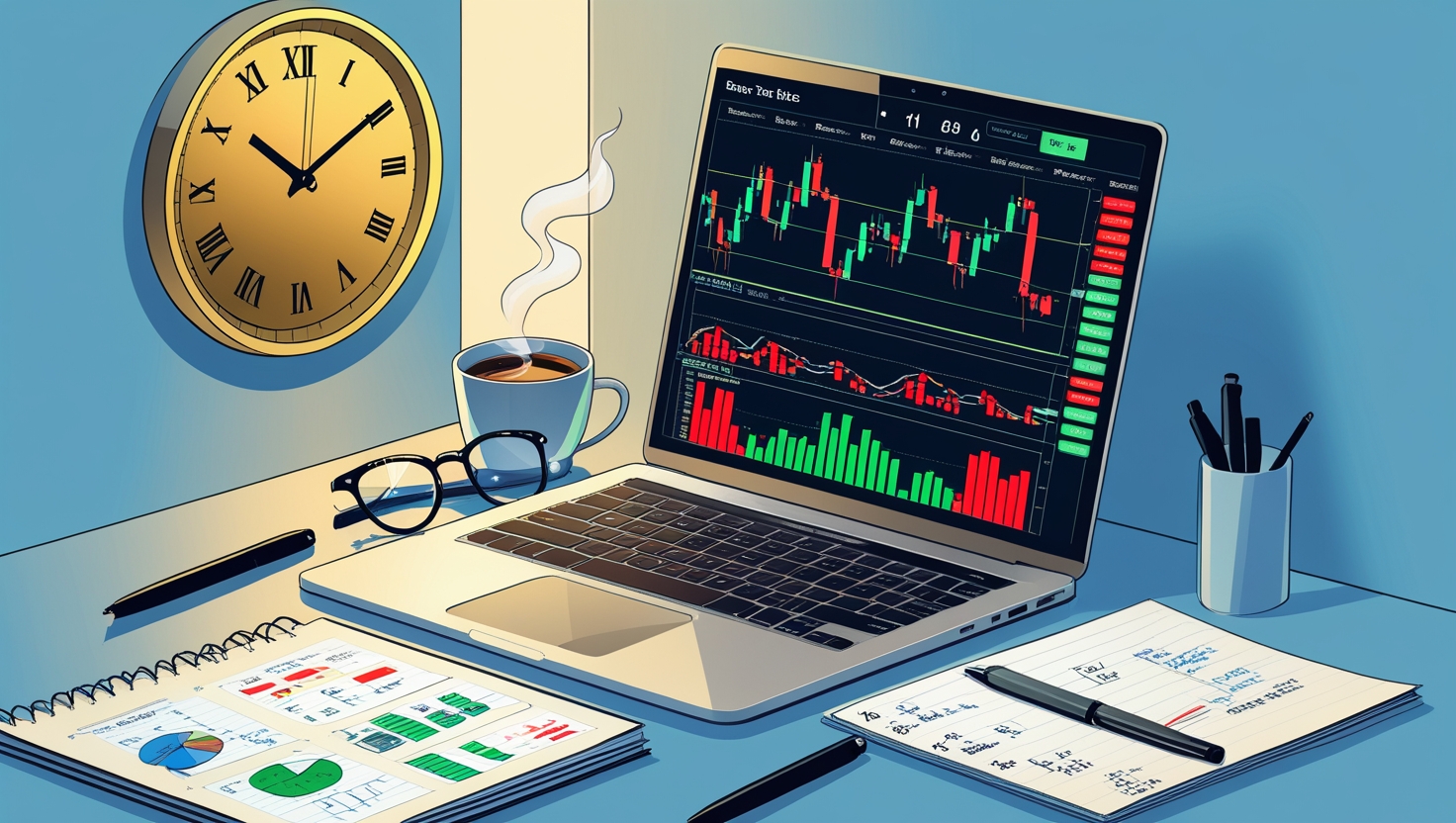
Once your account is funded, you can start trading by placing buy or sell orders for currency pairs through the broker’s trading platform, which offers real-time pricing and charts. Success in forex trading requires developing a strategy that considers market conditions, news events, and chart analysis.
Trades are sized in lots, with a standard lot representing 100,000 units of the base currency (the first in a currency pair). For example, placing a buy order for USD/CAD means you are speculating on the U.S. dollar appreciating against the Canadian dollar (a long position). Conversely, a sell order for USD/CAD means you are speculating on the Canadian dollar appreciating against the U.S. dollar (a short position).
Tips for Getting Started
- Learn the Basics: Familiarize yourself with common forex terminology, such as pips (percentage in points), lots (standard unit sizes), and currency pairs (like EUR/USD). Understand how leverage, spreads, and margins work, as these factors directly impact your potential gains and losses.
- Analyze the Market: Successful forex traders use both fundamental and technical analysis. Fundamental analysis focuses on economic data, interest rates, and geopolitical events that affect currency values, while technical analysis uses charts and indicators to predict price shifts based on past performance.
- Develop Your Trading Plan: Determine your risk tolerance, trading goals, and strategy before placing any trades. Set how much capital you’re willing to risk per trade and select stop-loss and take-profit levels to manage potential losses. Common strategies include day trading, swing trading, and scalping.
Steps to Begin Trading Forex
- Research and Select a Broker: Choose a broker that offers a forex trading account. Compare brokers based on their platform, regulatory compliance, fees, margin rates, and customer support. Ensure the broker is regulated by a respected financial authority like the Commodity Futures Trading Commission (CFTC).
- Open Your Forex Trading Account: Provide your personal information, including name, address, tax ID number, and financial background. You will also need to answer questions about your finances and investment goals.
- Verify Your Identity: Your broker will confirm your identity through documents like your passport, license, or national ID, and a utility bill or bank statement to verify your address.
- Fund Your Forex Account: Once your account is approved, fund it to begin trading. Some platforms allow you to start with as little as $100, but having more risk capital is advisable due to the leverage involved in forex trading.
- Research Currencies and Identify Trading Prospects: Choose the currency pairs you wish to trade and use technical analysis to determine entry and exit points. Managing your trades well is crucial for preserving funds on losing trades and maximizing profits on winning ones.
- Size Up Your First Forex Trade: Understand how much capital and leverage are available for trading your currency pair. A common rule for beginners is to risk only 1% of your account on a particular trade.
- Monitor and Manage Your Positions: Place buy (long) or sell (short) orders through your broker’s platform. Regularly monitor your trades and adjust your strategy based on market conditions.
- Manage Your Risk: Implement risk management measures, such as stop-loss orders, to automatically exit trades if the market moves against you. Never risk more than you can afford to lose.
Managing Forex Risks
Forex trading involves risk due to market volatility and the use of leverage. Retail forex traders are small participants in a large market dominated by central banks and large financial institutions. Leverage can amplify both gains and losses, making trade selection, size, and position management crucial for controlling risks.
Ways to Trade in the Forex Markets
There are several ways to trade forex, including:
- Spot Forex Market: The exchange of one currency for another at the current exchange rate, typically settling two days after the trade.
- Forward Forex Market: Contracts between two parties to exchange a set amount of one currency for another on a future date, adjusted for interest rate differences.
- Forex Futures: Exchange-traded futures contracts for forex with fixed terms, cash-settled in U.S. dollars.
Is Trading Forex Difficult?
Trading forex is not necessarily more difficult than other markets, but it involves unique challenges such as fast-moving price action and high leverage. Proper risk management and understanding market dynamics are essential for success.
How Much Money Do You Need to Start Trading?
While some platforms allow you to start with as little as $100, a more realistic starting amount is at least $2,500 to manage risks effectively.
Can You Cash Out Your Forex Account?
Yes, you can liquidate a trading position, wait for settlement, and transfer the funds from your account.
What Is the Interbank System?
The interbank market includes large international banks that trade currencies directly or through brokers, providing access to the forex market for other participants.
Can You Lose Money Trading Forex?
Yes, there is a risk of losing money due to leverage and market volatility. Effective risk management is crucial to minimize losses.
Further reading: