

A former Republican lawmaker has issued a warning that Donald Trump’s involvement in cryptocurrency initiatives could pave the way for an unprecedented level of corruption within the U.S. political system.
Donald Trump’s support for cryptocurrency has renewed interest in digital assets, leading many investors to feel hopeful that crypto could soon become part of the financial mainstream. Yet, there are those who remain skeptical about how the current administration is managing regulation in this space.
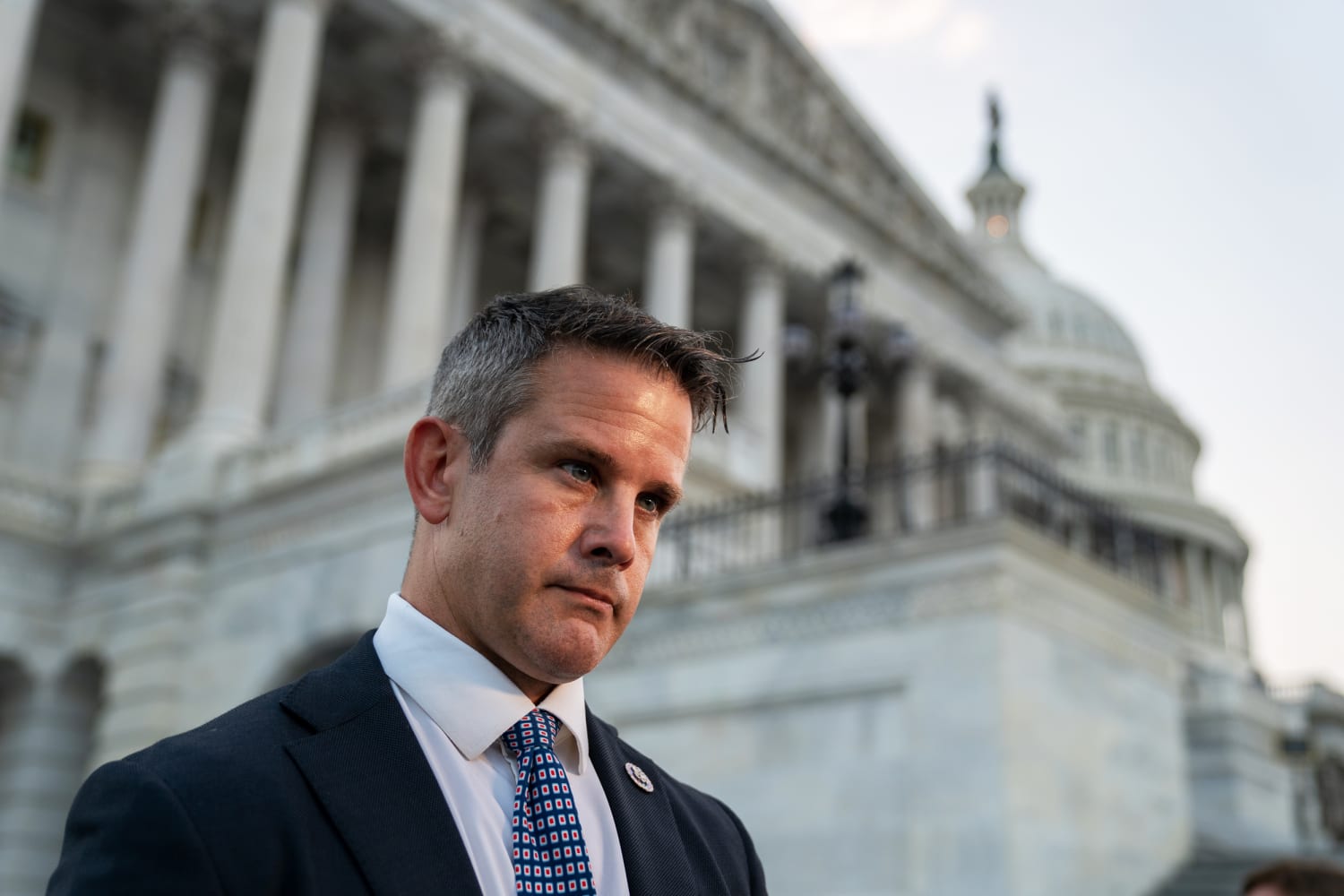
One such critic is Adam Kinzinger, a former Republican congressman, veteran of the U.S. Air Force, and long-standing critic of Donald Trump. During a recent conversation with the investment platform Saxo—where crypto.news submitted questions—Kinzinger voiced his concerns that cryptocurrency might be exploited for political corruption, especially with President Trump now having a direct stake in the industry.
Here’s the Q&A segment from that interview:
Investfinance: Recently, lawmakers have been pushing for clearer and more crypto-friendly regulation. In your opinion, is this a move in the right direction? What key aspects should lawmakers concentrate on? Trump’s WLFI project has raised red flags, particularly among Democrats, due to potential conflicts of interest. You’ve been outspoken in your criticism of Trump. What’s your take on these concerns? With Trump’s direct involvement in the crypto space, is there a danger that laws could be shaped to benefit his financial interests? How can policymakers ensure regulations are fair and still protect investors?
Adam Kinzinger: When crypto was first introduced, the idea was to allow for payments that couldn’t be easily tracked. Today, it’s turned into something more accepted—especially Bitcoin, which seems to have a place. But overall, most cryptocurrencies aren’t really used for buying or selling things. It’s mostly a tradable asset that doesn’t hold any real, fundamental value. What makes it valuable is simply what people are willing to pay for it.
I do believe that Bitcoin carries some core value—it has managed to maintain its price to some degree. But when you enter the territory of memecoins, things get silly. It turns into something like, “Hey, I’ll make an Adam Kinzinger memecoin and see who wants to throw cash at it so I can make a profit.” We’ve seen the Hawk Tuah girl do it. And now we’re watching Trump do the same.

In a free-market system, individuals are free to make their own choices. If someone wants to put their money into a memecoin—go for it. Personally, I wouldn’t consider that a wise investment, but if someone wants to take the risk and ride it out until it crashes, that’s entirely up to them.
What worries me about the crypto space isn’t the speculative nature of it, but rather the potential for corruption that can come along with it. That’s why I believe we need to find a balance—something between full transparency in the crypto world and an acknowledgment that this technology has a distinct, valuable function.
Take Donald Trump as an example. When a Chinese crypto investor pours tens of millions into a Trump-related cryptocurrency and, just a week later, the SEC decides to drop a case against that same investor involving crypto fraud—that’s a serious issue. That’s exactly the kind of situation that alarms me.
Another thing that concerns me isn’t the everyday transactions between average people—say, between one private citizen and another. What truly worries me is when cryptocurrency becomes a tool used to enable or conceal corruption. And nothing erodes trust in a democratic system faster than corruption.
Honestly, I believe that once this administration ends, people will be shocked by how widespread the corruption actually was. And I suspect cryptocurrency will have been a part of it—because they figured out how to use it to mask some of what was going on. Why is Donald Trump Jr. seemingly connected to almost every crypto deal out there? At some point, those connections raise serious questions.
Ideally, I’d like to see the government create a system of oversight—one that respects the foundational intent of cryptocurrency, but that also includes safeguards to prevent corruption in public service. Because, in my view, nothing poses a greater threat to a country’s stability than systemic corruption.